What Is Indoor Air Quality and Why Does It Matter?
You might think your home is a safe haven from pollution, but the air inside can be up to five times more polluted than outdoor air, according to the U.S. Environmental Protection Agency (EPA). Indoor air quality (IAQ) refers to the condition of the air within and around buildings, and it’s something you shouldn’t ignore. From volatile organic compounds (VOCs) to particulate matter, the air you breathe indoors can affect your health, comfort, and even your productivity. In this guide, we’ll break down what IAQ is, why it matters, and what you can do to improve it.
What Exactly Is Indoor Air Quality?
Indoor air quality is a measure of the pollutants, allergens, and other contaminants present in the air inside buildings. It’s influenced by a mix of factors: outdoor air entering through windows and vents, emissions from building materials and furnishings, and activities like cooking, cleaning, and smoking. The EPA notes that Americans spend about 90% of their time indoors, where concentrations of some pollutants can be 2 to 5 times higher than typical outdoor concentrations. That’s a big deal because poor IAQ can lead to a range of health issues, from headaches and allergies to more serious conditions like asthma and heart disease.
Why Indoor Air Quality Matters for Your Health
Breathing clean air is fundamental to good health. When indoor air is polluted, you’re constantly inhaling tiny particles and chemicals that can penetrate deep into your lungs and even enter your bloodstream. The World Health Organization (WHO) links indoor air pollution to 3.8 million premature deaths annually, mostly from stroke, heart disease, and lung cancer. But it’s not just about mortality. Poor IAQ can cause immediate symptoms like eye irritation, headaches, and fatigue, and long-term exposure can exacerbate chronic conditions. For example, a 2019 study in the journal Indoor Air found that improved ventilation in offices boosted cognitive function scores by up to 101%. That’s a clear sign that the air you breathe affects how you think and feel.
Common Sources of Indoor Air Pollution
You might be surprised by how many everyday items contribute to poor IAQ. Here are the usual suspects:
- Combustion sources: Gas stoves, fireplaces, and candles release carbon monoxide, nitrogen dioxide, and fine particles.
- Building materials and furnishings: Paint, adhesives, carpets, and pressed-wood products can off-gas VOCs like formaldehyde.
- Household products: Cleaning sprays, air fresheners, and personal care items contain fragrances and chemicals.
- Biological contaminants: Mold, dust mites, pet dander, and pollen thrive in damp or poorly ventilated spaces.
- Outdoor sources: Radon, pesticides, and vehicle exhaust can seep indoors through cracks and ventilation systems.
In practice, the biggest culprits often go unnoticed. Radon, for instance, is a radioactive gas that you can’t see or smell, and it’s the second leading cause of lung cancer in the U.S. after smoking, according to the EPA. Testing is the only way to know if your home has a radon problem.
How to Improve Indoor Air Quality in Your Home
Improving IAQ doesn’t have to be complicated or expensive. Start with these practical steps:
- Ventilate regularly: Open windows and use exhaust fans in kitchens and bathrooms to remove pollutants and moisture. Aim for a few minutes each day, even in winter.
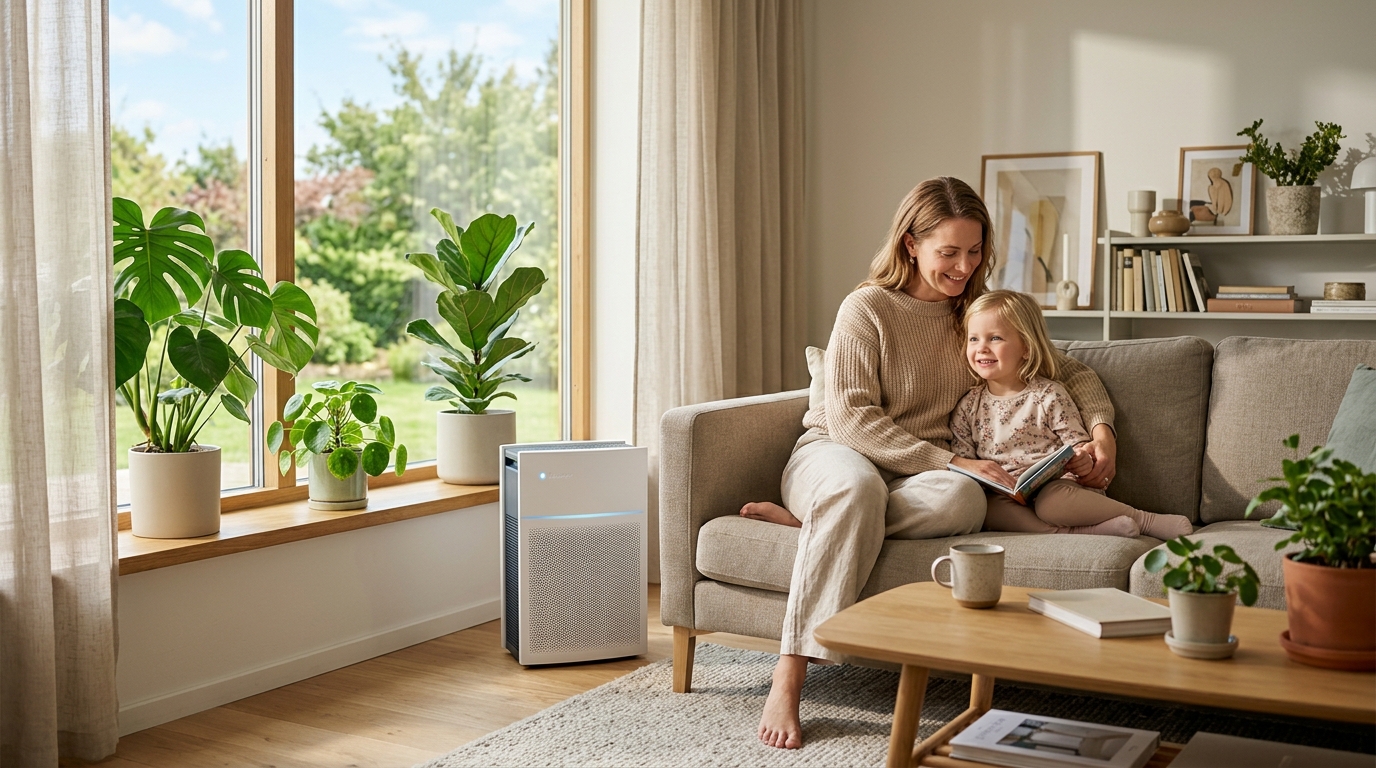
- Use air purifiers: A HEPA filter can capture 99.97% of particles down to 0.3 microns, including dust, pollen, and smoke. Look for one with a clean air delivery rate (CADR) that matches your room size.
- Control moisture: Keep indoor humidity between 30% and 50% to deter mold and dust mites. A dehumidifier or air conditioner can help.
- Choose low-VOC products: When painting or renovating, select paints, adhesives, and furnishings labeled low-VOC or zero-VOC.
- Test for radon: Inexpensive test kits are available online or at hardware stores. If levels are high, hire a certified mitigator.
- Maintain your HVAC system: Change filters every 1 to 3 months and schedule annual professional tune-ups.
These steps can make a measurable difference. A 2020 study by Harvard’s T.H. Chan School of Public Health found that portable air cleaners reduced indoor PM2.5 (fine particulate matter) by 50% to 60% in homes. That’s a solid return on investment for your health.
The Role of Ventilation and Filtration
Ventilation and filtration are the dynamic duo of IAQ. Ventilation brings in fresh outdoor air and dilutes indoor pollutants, while filtration traps particles that would otherwise circulate. The American Society of Heating, Refrigerating and Air-Conditioning Engineers (ASHRAE) sets standards for acceptable indoor air quality, and its guidelines recommend a minimum outdoor air rate of 15 to 20 cubic feet per minute (cfm) per person in homes. But many homes fall short. If you’re not ready to overhaul your HVAC system, a simple trick is to use a box fan with a MERV 13 filter during wildfire season or high pollen days. It’s a DIY air cleaner that costs around $40 and works surprisingly well.
Understanding Air Quality Index (AQI) for Indoors
The Air Quality Index (AQI) you see in weather apps is for outdoor air, but you can use it as a rough guide for when to close windows and run an air purifier. For indoor air, consider buying a monitor that tracks PM2.5, VOCs, and carbon dioxide (CO2). High CO2 levels (above 1,000 ppm) can cause drowsiness and poor concentration, a sign you need better ventilation. In practice, CO2 monitors are a great proxy for whether fresh air is circulating. If levels are consistently high, it’s time to crack a window or adjust your HVAC.
When to Call a Professional
If you’ve addressed obvious sources but still experience symptoms like persistent coughing, headaches, or allergies, it might be time to bring in an expert. Certified indoor environmental consultants can conduct tests for mold, radon, and other contaminants. They can also assess your HVAC system for issues like duct leakage or improper sizing. The cost typically ranges from $300 to $800, but it can save you from bigger health bills down the line. Don’t hesitate if you suspect a serious problem.
Conclusion
Indoor air quality is a cornerstone of a healthy home. From simple habits like ventilating and using air purifiers to more involved steps like radon testing, you have the power to improve the air you breathe. Start with one change today, and you’ll likely notice the difference in how you feel. Your lungs will thank you.
Q: What are the most common signs of poor indoor air quality?
Common signs include frequent headaches, dizziness, eye or throat irritation, coughing, sneezing, and fatigue, especially when you’re at home. You might also notice excess dust, mold growth, or lingering odors. If symptoms improve when you leave the house, indoor air pollution is likely the culprit. Pay attention to patterns and consider testing for specific pollutants like radon or mold.
Q: How often should I change my HVAC filter?
Most manufacturers recommend changing filters every 1 to 3 months, but it depends on factors like pets, allergies, and local air quality. If you have pets or live in a dusty area, change it every month. A clogged filter restricts airflow, reduces efficiency, and can worsen indoor air quality. Check it monthly and replace when it looks dirty.
Q: Do air purifiers really work for indoor air quality?
Yes, when used correctly. HEPA air purifiers can capture 99.97% of particles down to 0.3 microns, including dust, pollen, and smoke. However, they don’t remove gases like radon or VOCs unless they have activated carbon filters. Choose a purifier sized for your room and run it continuously for best results. Regular maintenance, like replacing filters, is key.
Q: What’s the ideal indoor humidity level for good air quality?
Aim for 30% to 50% relative humidity. Below 30% can cause dry skin and respiratory irritation, while above 50% promotes mold, dust mites, and bacteria. Use a hygrometer to monitor levels and adjust with a humidifier or dehumidifier. In winter, heating can dry out air, so a humidifier might be needed; in summer, air conditioning often keeps humidity in check.
Q: Can indoor plants improve air quality?
While plants can remove some VOCs, studies show their impact is minimal compared to ventilation and filtration. A 2019 study found you’d need 10 to 1,000 plants per square meter to rival a basic air purifier. Plants are great for decor and mental health, but don’t rely on them as your primary air-cleaning strategy. Use them as a supplement to other measures.