
What Is Mindfulness Meditation? A Beginner’s Guide
Mindfulness meditation isn’t about clearing your mind or escaping reality. It’s a simple practice that helps you relate to your thoughts and feelings with greater awareness and less reactivity. Think of it as a mental workout that strengthens your attention and emotional balance. In this guide, we’ll break down what mindfulness meditation is, how it works, and how you can start practicing it today.
The Core of Mindfulness Meditation
At its heart, mindfulness meditation is the practice of purposely focusing your attention on the present moment without judgment. You observe your breath, sensations, thoughts, and emotions as they arise, without getting swept away by them. The goal isn’t to suppress thoughts but to notice them and let them pass.
A 2018 study from Harvard University found that mindfulness meditation can literally change the brain’s structure. After eight weeks of practice, participants showed increased gray matter density in the hippocampus, a region linked to learning and memory, and decreased density in the amygdala, which governs stress and fear. That’s a 20% reduction in amygdala reactivity, according to some estimates.
Jon Kabat-Zinn, a pioneer in the field, defines mindfulness as “awareness that arises through paying attention, on purpose, in the present moment, non-judgmentally.” He developed the Mindfulness-Based Stress Reduction (MBSR) program in 1979, which has since been used by over 24,000 people worldwide.
How Mindfulness Meditation Works
When you practice mindfulness, you’re training your brain to shift from autopilot to awareness. Most of the time, your mind wanders: you replay past conversations or worry about future deadlines. This is called the default mode network (DMN), a brain network that’s active when you’re not focused on a task. Overactivity in the DMN is linked to rumination and anxiety.
Mindfulness meditation quiets the DMN. A 2011 study by Yale University showed that experienced meditators have reduced DMN activity compared to beginners. With regular practice, you can strengthen the connections between your prefrontal cortex (the decision-making center) and your amygdala (the threat detector), making it easier to stay calm under pressure.
In practice, this means you’ll react less impulsively. Instead of snapping at a coworker, you’ll pause and choose your response. That’s the power of a consistent meditation habit.
Proven Benefits of Mindfulness Meditation
Research backs up what meditators have known for centuries. Here are some of the most well-documented benefits:
- Stress reduction: A 2014 meta-analysis of 47 studies found that mindfulness meditation programs improve anxiety, depression, and pain. Participants reported a 38% reduction in stress symptoms.
- Improved focus: A 2012 study from the University of Washington showed that meditation training improved participants’ ability to concentrate and stay on task, even under pressure.
- Better emotional health: A 2019 study from Michigan State University found that mindfulness meditation can reduce symptoms of PTSD and improve emotional regulation.
- Lower blood pressure: A 2020 study in the Journal of the American Heart Association found that mindfulness meditation lowered systolic blood pressure by an average of 5 mmHg in participants with hypertension.
- Enhanced sleep: A 2015 study from the University of Southern California found that mindfulness meditation improved sleep quality in older adults with moderate sleep disturbances.
These benefits don’t require hours of practice. Even 10 minutes a day can make a difference.
How to Practice Mindfulness Meditation
You don’t need any special equipment or a quiet retreat. You can practice anywhere, anytime. Here’s a simple technique to get started:
- Find a comfortable position. Sit on a chair or cushion, keeping your back straight but not stiff. You can also lie down, but you might get sleepy.
- Set a timer. Start with 5 minutes and gradually increase to 20 or 30 minutes. Using a timer frees you from checking the clock.
- Focus on your breath. Notice the sensation of air moving in and out of your nostrils or the rise and fall of your chest. Don’t try to control your breath; just observe it.
- When your mind wanders, gently return. Your mind will wander. That’s normal. When you notice it, simply bring your attention back to your breath. You might have to do this dozens of times in a single session. That’s the practice.
- Be kind to yourself. Don’t judge your performance. There’s no such thing as a ‘bad’ meditation. If you feel restless or bored, that’s just another experience to observe.
For a more structured approach, consider trying the MBSR program or using apps like Headspace or Calm. A 2021 study from Carnegie Mellon University found that using mindfulness apps for just 10 minutes a day for two weeks improved focus and reduced stress.
Common Myths About Mindfulness Meditation
There are several misconceptions that keep people from trying it. Let’s clear them up.
Myth 1: It’s about clearing your mind
If you think meditation means having no thoughts, you’ll be frustrated. The goal isn’t to empty your mind but to change your relationship with your thoughts. You can have thoughts and still be mindful.
Myth 2: It takes years to see results
While advanced meditators reap deeper benefits, you can feel calmer after a single session. A 2017 study from Michigan State University found that just 10 minutes of mindfulness meditation reduced anxiety and improved focus in college students.
Myth 3: It’s a religious practice
Mindfulness meditation has roots in Buddhism, but the secular version, like MBSR, is used in hospitals, schools, and corporations worldwide. It’s a mental training technique, not a religion.
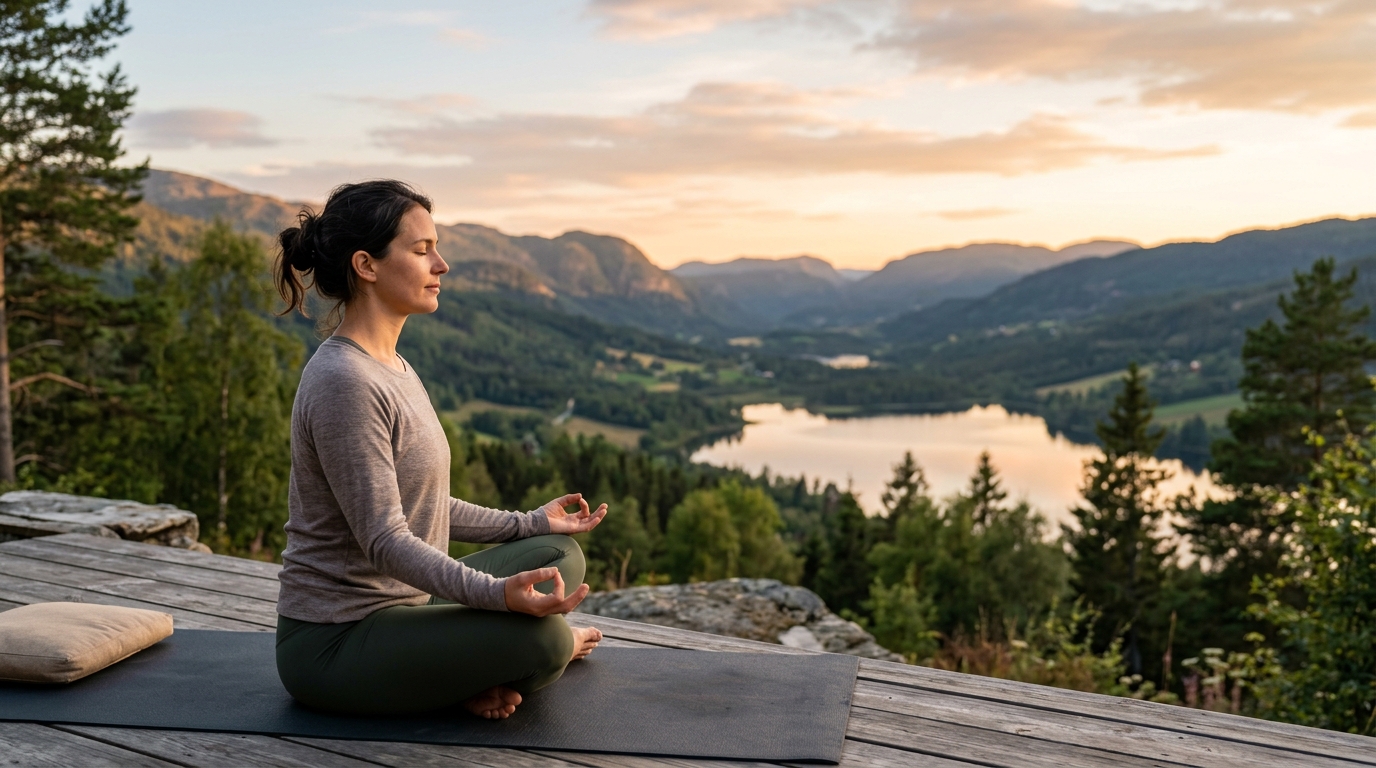
Myth 4: You need to sit cross-legged
You can meditate while walking, eating, or even washing dishes. The posture doesn’t matter as much as the awareness.
Making Mindfulness a Daily Habit
The hardest part is consistency. Here are some practical tips to make it stick:
- Anchor it to an existing routine: Meditate right after brushing your teeth or before your morning coffee. Habit stacking increases your chances of success.
- Start small: Commit to just 2 minutes a day for a week. Once that feels easy, add more time.
- Use reminders: Set a daily alarm on your phone or place a cushion where you’ll see it.
- Track your progress: Use a journal or an app to log your sessions. Seeing a streak can motivate you.
- Join a community: Look for local meditation groups or online forums. Social support boosts accountability.
Remember, the goal is progress, not perfection. If you miss a day, just start again.
Conclusion
Mindfulness meditation is a simple yet powerful practice that can transform your relationship with stress, improve your focus, and enhance your overall well-being. With just a few minutes a day, you can train your brain to be more present and less reactive. Start today, and notice the difference.
Q: What is mindfulness meditation in simple terms?
Mindfulness meditation is the practice of paying attention to the present moment without judgment. You focus on your breath, thoughts, or sensations, and when your mind wanders, you gently bring it back. It’s like a workout for your brain that helps you stay calm and focused.
Q: How long should I meditate each day?
Beginners can start with 5 to 10 minutes daily. Research shows that even 10 minutes a day can reduce stress and improve focus. As you get comfortable, you can gradually increase to 20 or 30 minutes. Consistency matters more than duration.
Q: Can mindfulness meditation help with anxiety?
Yes, numerous studies show that mindfulness meditation reduces anxiety symptoms. A 2014 meta-analysis found a 38% reduction in stress symptoms. It works by calming the amygdala, the brain’s fear center, and strengthening your ability to respond calmly to anxious thoughts.
Q: Do I need to sit cross-legged to meditate?
No, you don’t. You can meditate sitting in a chair, lying down, walking, or even standing. The key is to be comfortable and alert. The posture is less important than the quality of your attention.
Q: Is mindfulness meditation religious?
Mindfulness meditation has roots in Buddhism, but the secular version is widely used in hospitals, schools, and workplaces. Programs like MBSR are entirely secular and focus on mental training, not religious beliefs. Anyone can practice it regardless of their faith.