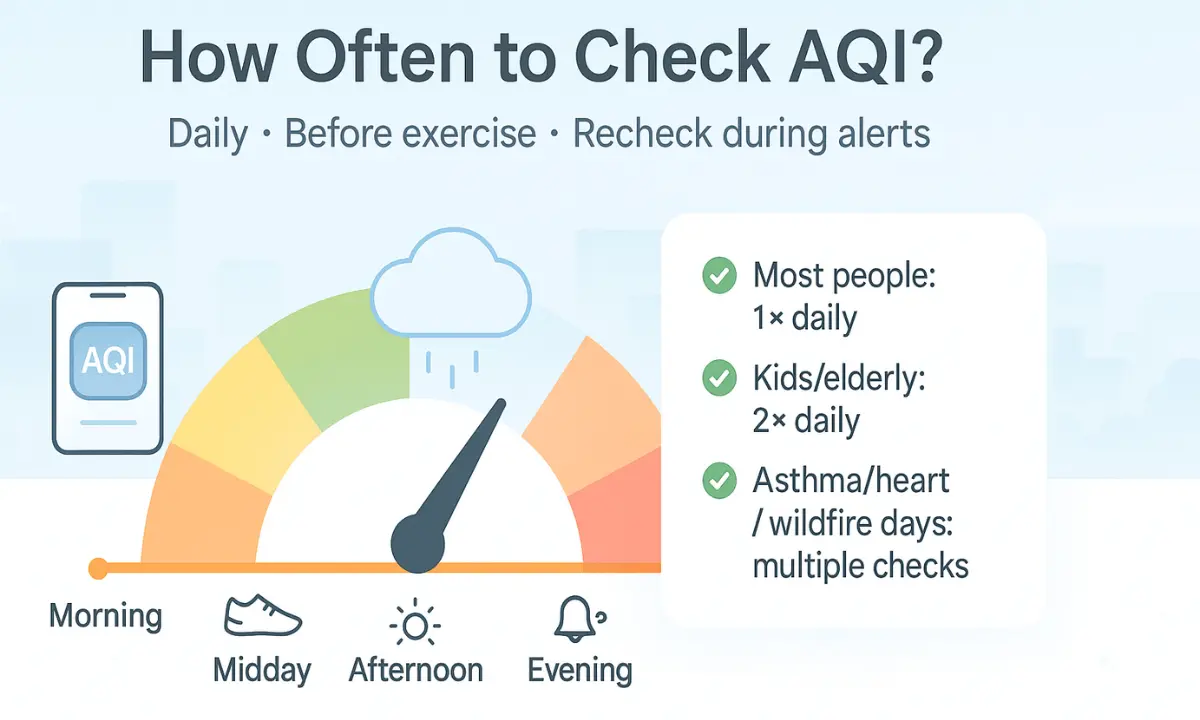
You should check the AQI daily, especially if you spend time outdoors.
If you have asthma, heart problems, or live in a polluted area, it’s best to check it several times a day before going outside or exercising.
For decades, checking the weather forecast was enough to plan daily life. Temperature, rainfall, and humidity guided decisions about commuting, exercise, and outdoor activities. Today, that approach is incomplete. Air pollution has emerged as a silent but powerful health threat, one that is often invisible, odorless, and unpredictable.
Fine particulate matter, ozone, and traffic-related pollutants can damage the lungs, heart, and blood vessels even during short exposure. This reality has led to a crucial public health question: how often should I check AQI?
The Air Quality Index (AQI) is not simply an environmental metric; it is a real-time health advisory. Because AQI can fluctuate hour by hour based on traffic, weather, and atmospheric chemistry, occasional checking is often insufficient. This guide explains how frequently AQI should be monitored, how needs differ by health status and activity, and how to integrate AQI checks into everyday decision-making.
Understanding the Air Quality Index (AQI)
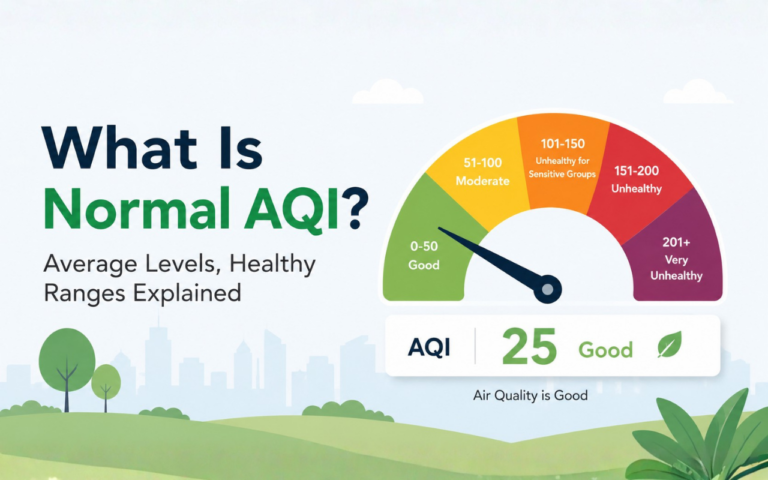
The Air Quality Index (AQI) is a standardized system used by public health and environmental agencies to communicate air pollution risk in a simple, actionable format. Instead of listing multiple pollutant concentrations, AQI converts complex data into a single number ranging from 0 to 500.
Each AQI value represents the health impact of the most dangerous pollutant present at that moment, not an average of all pollutants. This is critical because it means AQI reflects immediate biological risk, not just environmental conditions.
Higher AQI values correspond to greater respiratory stress, cardiovascular strain, and systemic inflammation even before symptoms appear.
Why AQI Changes Frequently Throughout the Day
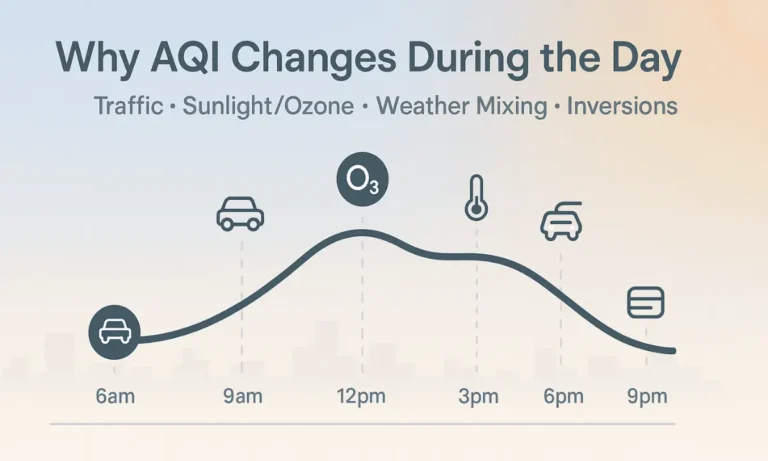
AQI is dynamic because pollution sources and atmospheric conditions are constantly changing. Traffic emissions peak during rush hours, sunlight drives ozone formation in the afternoon, and weather patterns influence how pollutants disperse or accumulate.
Wind speed, temperature inversions, humidity, and even urban layout can cause AQI to rise or fall within minutes. This variability explains why checking AQI once is often not enough and why real-time monitoring plays a crucial role in health protection.
Most people should check the AQI at least once every day.
High-risk individuals and people planning outdoor activity should check it multiple times per day.
AQI should be treated like a health signal rather than a static statistic. The correct frequency depends on health vulnerability, exposure duration, and environmental conditions.
Healthy Adults with No Underlying Conditions
Healthy adults often underestimate pollution risk because symptoms may not appear immediately. However, research shows that repeated exposure to moderate pollution can cause cumulative cardiovascular and lung damage over time.
For this group:
- AQI should be checked every morning to establish a daily exposure baseline
- AQI should be rechecked before outdoor exercise, long walks, or cycling
- Extra monitoring is recommended during heatwaves, smog events, or wildfire seasons
Daily AQI monitoring helps reduce long-term exposure, even when short-term symptoms are absent.
Children and Elderly Individuals
Children and older adults are biologically more sensitive to air pollution due to differences in lung development, immune response, and cardiovascular resilience.
Children inhale more air relative to body weight, while elderly individuals recover more slowly from inflammatory stress. For these groups:
- AQI should be checked twice daily (morning and afternoon)
- Outdoor play, school activities, and walks should be adjusted based on AQI trends
- Even AQI levels considered “moderate” can pose health risks
For caregivers, frequent AQI checks are a preventive health strategy, not an overreaction.
People With Asthma, COPD, or Respiratory Disease
For individuals with respiratory conditions, AQI directly influences symptom control and emergency risk. Pollutants such as PM2.5 and ozone can inflame airways and trigger attacks without warning.
These individuals should:
- Check AQI multiple times per day
- Always check AQI before leaving home
- Monitor AQI trends rather than relying on a single reading
Consistent AQI monitoring reduces the likelihood of sudden exacerbations and emergency interventions.
People With Heart Disease or Cardiovascular Conditions
Air pollution places direct stress on the cardiovascular system. Fine particles can enter the bloodstream, increasing blood pressure, clotting risk, and heart rhythm disturbances.
For cardiac patients:
- AQI should be checked daily and before outdoor activity
- Exposure should be limited even at AQI levels below traditional “danger” thresholds
- Monitoring is especially important during heat and traffic-heavy periods
Frequent AQI checks reduce the risk of pollution-triggered cardiac events.
Pregnant Women
Pregnancy increases sensitivity to environmental stressors due to higher oxygen demand and inflammatory response. Pregnant individuals should check AQI daily and avoid outdoor exposure during poor air quality.
Monitoring is especially important during seasonal pollution peaks. Studies link pollution exposure to low birth weight and premature delivery. Regular AQI checks support safer pregnancy outcomes.
Regular AQI checks help reduce risks associated with fetal development and pregnancy outcomes.
Before Outdoor Exercise or Sports
Exercise significantly increases breathing rate, which multiplies pollutant intake. Even moderate AQI can become harmful during intense physical activity.
AQI should be checked:
- Immediately before exercise
- Again, if weather or traffic conditions change
This is one of the most critical situations to ask how often I check AQI, because physical exertion magnifies exposure risk.
Before Commuting or Long Travel
Walking, cycling, or long commutes increase both exposure time and inhalation volume.
Recommended approach:
- Check AQI in the morning
- Recheck during peak traffic hours
- Adjust routes or timing if AQI worsens
Traffic-related pollution can escalate rapidly, making rechecks essential.
Before Letting Children Play Outdoors
Children cannot assess air quality on their own and often play vigorously, increasing exposure.
Parents and caregivers should:
- Check AQI before outdoor play
- Recheck in the afternoon when pollution often peaks
- Limit duration or move play indoors if AQI rises
This proactive approach prevents unnecessary respiratory stress.
During Smog, Wildfires, or Dust Storms
During severe pollution events, AQI can change dramatically within minutes.
Best practice:
- Check AQI hourly
- Monitor sudden spikes
- Follow public health advisories
Wildfire smoke is especially unpredictable and demands close monitoring.
During Heatwaves
High temperatures accelerate ozone formation, often worsening AQI in the afternoon. During heatwaves, AQI should be checked in the morning and again in mid-afternoon.
Outdoor activity should be avoided during peak pollution hours. Heat and pollution together significantly increase health risk. Monitoring AQI becomes essential during these periods.
Checking Outdoor AQI
Outdoor AQI should be checked daily as part of a routine health habit. It should be checked more frequently during alerts or unstable weather.
Daily awareness allows better planning and reduced exposure. AQI is as important as temperature when making outdoor decisions.
Consistency matters more than occasional checks.
When and Why to Check Indoor Air Quality
Indoor air can accumulate pollutants from cooking, cleaning, and outdoor infiltration.
Indoor air quality should be monitored:
- When outdoor AQI is high
- After indoor pollution-generating activities
- When using air purifiers to confirm effectiveness
Indoor AQI monitoring completes the exposure picture.
Morning AQI Checks
Morning AQI checks help identify the cleanest air windows of the day. They allow safe planning for exercise, commuting, and ventilation. Morning air is often cleaner before traffic and ozone buildup. This check sets the foundation for daily decisions. It is the most important single AQI check.
Afternoon and Evening AQI Checks
AQI often worsens later in the day due to traffic congestion and ozone formation. Rechecking in the afternoon or evening allows activity adjustments. This prevents accidental exposure during peak pollution hours.
Many people miss this critical window by checking AQI only once. Afternoon checks significantly reduce risk. AQI often worsens later due to ozone formation and traffic congestion. Rechecking allows adjustments that reduce exposure.
AQI Apps and Websites
Reliable tools provide:
- Real-time AQI updates
- Hourly trend visualization
- Location-specific accuracy
AQI Alerts and Notifications
Alerts reduce guesswork by:
- Automatically warning of AQI spikes
- Supporting faster health protective decisions
So, how often should I check AQI?
The most accurate answer is as often as your health, activities, and environment require.
FAQ:
How often should I check the Air Quality Index (AQI)?
Most healthy people should check AQI at least once a day. If you plan outdoor exercise, long commutes, or live in polluted areas, check it multiple times a day.
Does AQI change throughout the day?
Yes. AQI can change hour by hour due to traffic, weather, wind, and sunlight-driven ozone formation.
What AQI level is unsafe for outdoor activities?
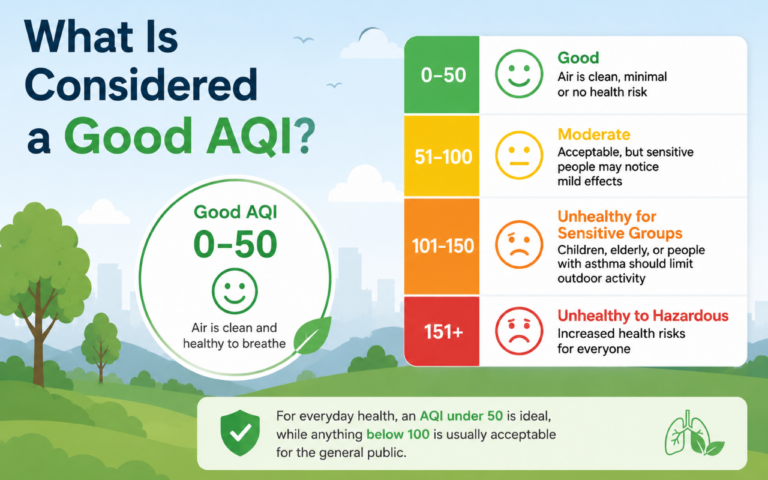
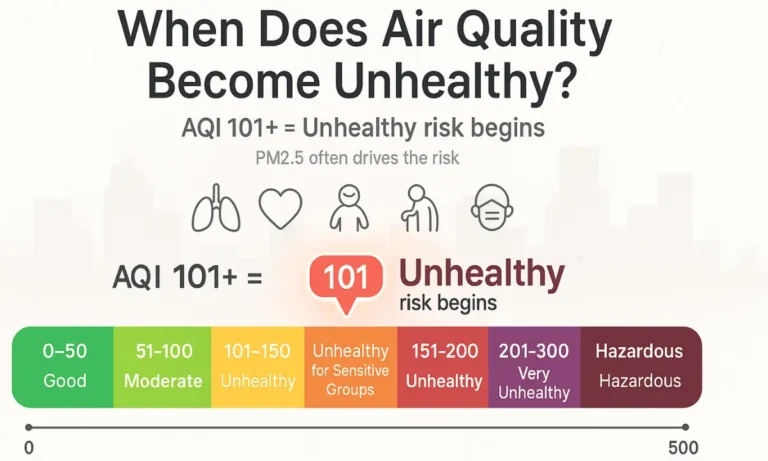
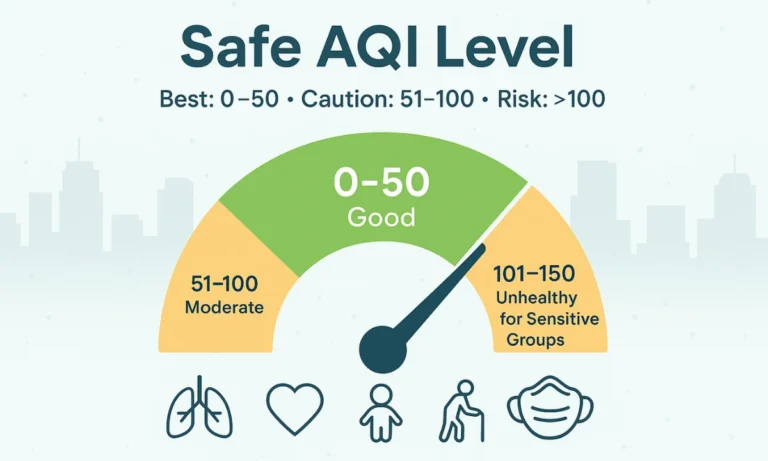
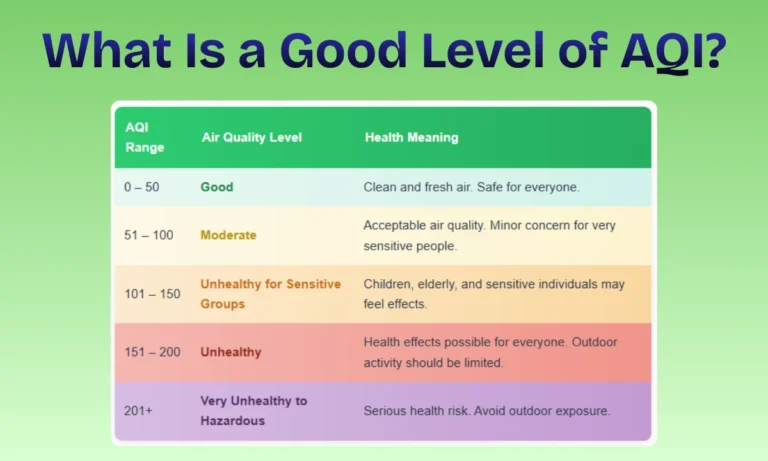
Below 100 is generally safe.
100–150 is risky for sensitive groups.
Above 150 is unhealthy for everyone.
Should I check AQI before exercising outdoors?
Yes. Exercise increases pollutant intake, so AQI should always be checked immediately before outdoor workouts.
FAQ :
How often should I check the Air Quality Index (AQI)?
Most healthy people should check the AQI at least once a day, preferably in the morning. However, if you plan outdoor exercise, long commutes, or live in a high traffic area, checking AQI multiple times a day is recommended for better health protection.
Does AQI change throughout the day?
Yes. AQI can change hour by hour due to traffic emissions, weather patterns, wind, and sunlight driven ozone formation. Air quality is often worse in the afternoon, so one daily check may not be enough.
What AQI level is unsafe for outdoor activities?
AQI below 100: Generally safe for most people
AQI 100 to 150: Riskier for sensitive groups (children, elderly, asthma, heart disease)
AQI above 150: Unhealthy for everyone, outdoor exposure should be limited
Should I check AQI before exercising outdoors?
Yes. Exercise increases breathing rate and pollutant intake. You should check AQI immediately before outdoor workouts and avoid intense activity when AQI is elevated.
For most people, daily monitoring is enough. For vulnerable groups, outdoor exercise, or pollution events, AQI should be checked multiple times per day. Treat AQI like a vital sign of your environment because it is. Consistent monitoring empowers safer choices and protects long-term health.