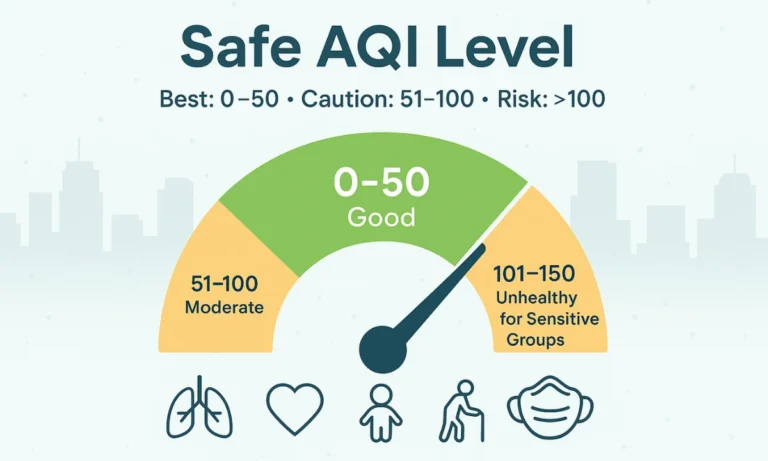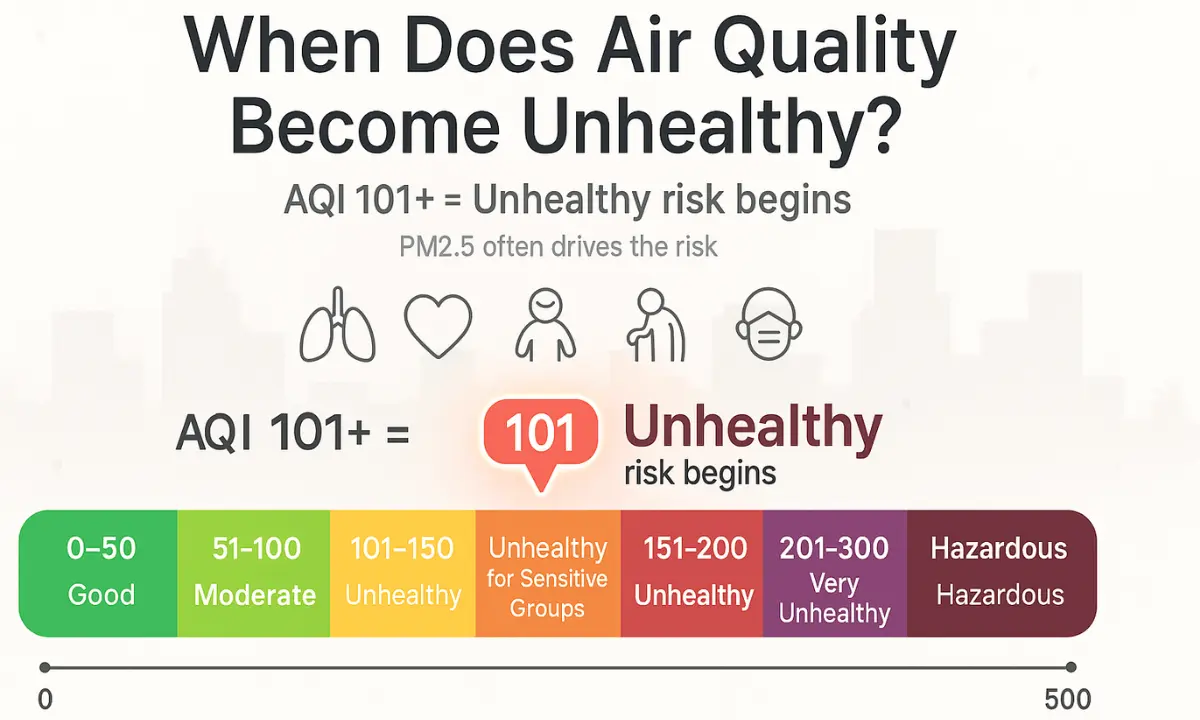
Air quality becomes unhealthy when the Air Quality Index (AQI) rises above 100.
At this level, sensitive groups may start experiencing health effects, and as AQI increases further, it can affect everyone.
Every breath you take delivers oxygen to your body, but it can also provide microscopic pollutants that quietly harm your health. Unlike food or water, exposure to air is unavoidable. Even a short commute, outdoor walk, or open window can increase your exposure to harmful particles without any visible warning.
This makes one question critically important for modern life: when does air quality become unhealthy?
Air pollution is now associated with a wide range of health effects, from mild respiratory irritation to long-term cardiovascular and neurological damage. The challenge is that these effects often begin before symptoms are obvious. Understanding air quality thresholds, health risks, and protective actions allows people to make smarter daily decisions and reduce cumulative harm.
This guide explains:
- How air quality is defined and measured
- When air quality crosses from acceptable to unhealthy
- How pollution affects the body at different levels
- Who is most vulnerable
- Why indoor air matters as much as outdoor air
- What practical steps actually reduce risk
Air quality describes the concentration of harmful substances suspended in the air we breathe. Clean air contains very low levels of pollutants, while polluted air contains particles and gases that interfere with normal biological processes.
The importance of air quality lies in exposure frequency. Humans inhale thousands of liters of air every day. Even small pollutant concentrations, when inhaled repeatedly, can trigger inflammation, oxidative stress, and tissue damage over time.
Poor air quality does not simply cause discomfort, it contributes to:
- Worsening of chronic diseases
- Increased cardiovascular strain
- Impaired immune response
- Reduced lung function
- Increased mortality risk
The Air Quality Index (AQI) is a standardized public-health tool designed to translate complex pollution data into a single, understandable number.
AQI values range from 0 to 500:
- Lower AQI = cleaner air
- Higher AQI = greater health risk
AQI reflects the most harmful pollutant present at a given time, not an average of all pollutants.
Key Pollutants That Determine AQI
Air quality becomes unhealthy primarily due to:
- PM2.5 fine particles that penetrate deep into the lungs and bloodstream
- PM10 coarse particles that irritate airways
- Ozone (O₃) causes lung inflammation at ground level
- Nitrogen dioxide (NO₂) worsens respiratory disease
- Sulfur dioxide (SO₂) triggers bronchial constriction
- Carbon monoxide (CO) interferes with oxygen delivery
Among these, PM2.5 poses the greatest overall health risk because it can affect nearly every organ system.
Understanding AQI Thresholds Clearly
Air quality becomes unhealthy when pollutant concentrations exceed levels that the human body can safely tolerate without biological stress.
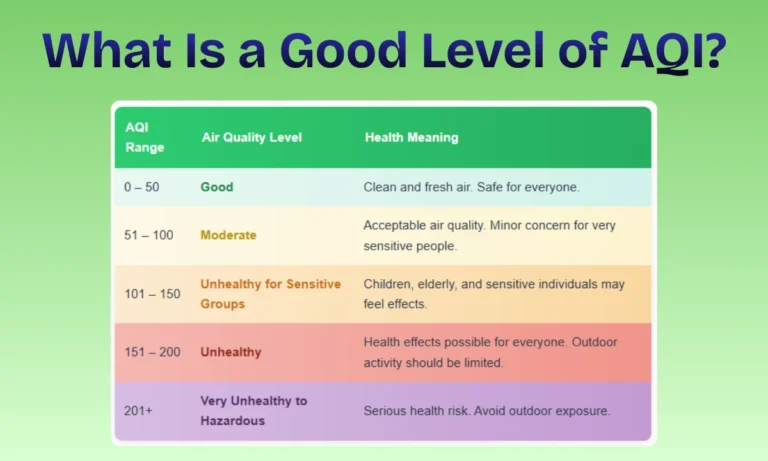
AQI Categories and Health Meaning
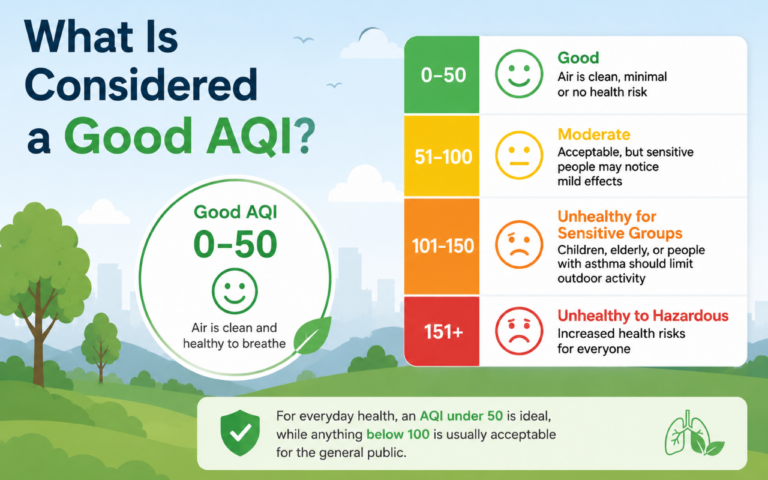
| AQI Range | Category | Health Implication |
| 0 to 50 | Good | Clean air, minimal risk |
| 51 to 100 | Moderate | Acceptable, but not ideal |
| 101 to 150 | Unhealthy for Sensitive Groups | Health effects begin |
| 151 to 200 | Unhealthy | Effects are possible for everyone |
| 201 to 300 | Very Unhealthy | Serious health risk |
| 301 to500 | Hazardous | Emergency conditions |
The Exact Point Air Becomes Unhealthy
Air quality officially becomes unhealthy at AQI 101.
At this level:
- Pollutant concentrations exceed safe long-term exposure limits
- Inflammation and oxidative stress can begin at the cellular level
- Sensitive populations face measurable risk
Even if healthy adults feel “fine,” physiological stress may already be occurring.
AQI thresholds are not arbitrary numbers. They are based on observed biological responses to pollution exposure.
Two principles explain why higher AQI is harmful:
1. Inflammation and Oxidative Stress
Pollutants, especially PM2.5 trigger inflammatory responses in lung tissue. This inflammation can spread systemically, affecting blood vessels, the heart, and even the brain.
2. Exposure Dose Over Time
Health risk depends on concentration × duration. Moderate pollution inhaled for many hours can be as harmful as brief exposure to very high pollution.
This explains why air quality that is “only moderately polluted” can still be dangerous with repeated exposure.
Short Term Effects (Hours to Days)
- Eye, nose, and throat irritation
- Coughing and chest tightness
- Shortness of breath during activity
- Fatigue, headaches, dizziness
- Asthma flare-ups
These effects may appear quickly, especially during outdoor exertion.
Long-Term Effects (Months to Years)
- Chronic respiratory diseases (asthma, COPD)
- Increased risk of heart disease and stroke
- Impaired immune defense
- Reduced lung growth in children
- Cognitive decline and neurological effects
- Increased risk of premature death
Understanding when air quality becomes unhealthy is therefore critical for both immediate safety and long term health protection.
PM2.5 particles are extremely small, small enough to bypass the body’s natural filtration systems. Once inhaled, they:
- Penetrate deep into the lungs
- Enter the bloodstream
- Trigger systemic inflammation
This is why PM2.5 levels strongly correlate with cardiovascular disease, lung damage, and mortality.
Children
- Higher breathing rate relative to body size
- Developing lungs
- Long-term exposure can permanently reduce lung capacity
Older Adults
- Reduced lung elasticity
- Higher cardiovascular vulnerability
- Increased risk of heart attacks and strokes
People with Asthma or Heart Disease
- Pollution can trigger medical emergencies
- Symptoms may appear even below AQI 101
Pregnant Individuals
- Pollution exposure is linked to low birth weight and premature delivery
Indoor air quality is often overlooked, yet it can be more dangerous due to longer exposure duration.
When Indoor Air Becomes Unhealthy
Indoor air is considered unhealthy when:
- AQI exceeds 50
- PM2.5 accumulates due to poor ventilation
- Pollutant sources remain active indoors
Because people spend most of their time indoors, even moderate indoor pollution can have a significant health impact.
Major Indoor Pollution Sources
- Cooking emissions
- Smoking or vaping
- Candles and incense
- Cleaning chemicals
- Outdoor pollution enters indoors
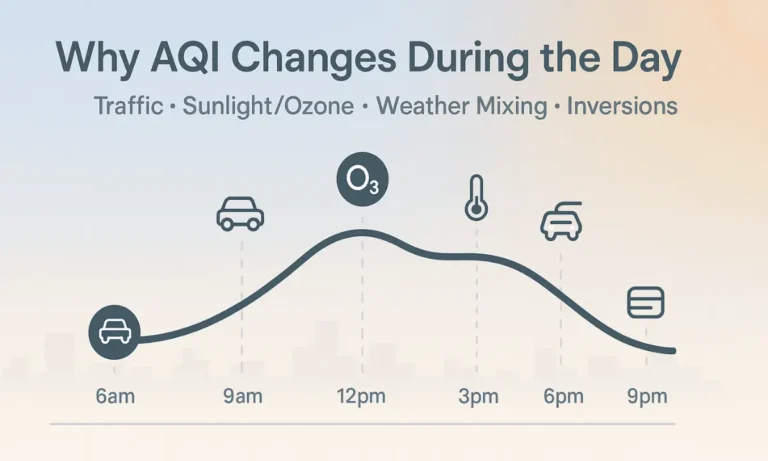
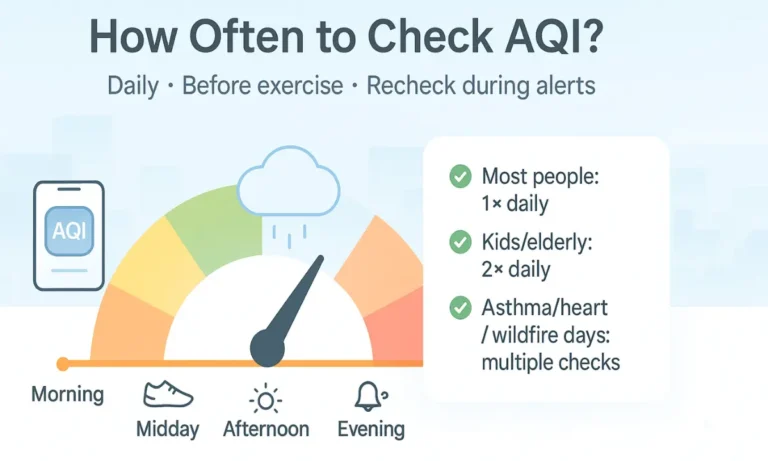
Air quality changes hourly. Monitoring helps translate theory into daily action.
Effective habits include:
- Checking AQI before outdoor activity
- Noting trends (rising vs falling AQI)
- Paying attention to which pollutant dominates
This helps answer a practical question: Is today safe for outdoor exposure?
Priority, Based Action Plan
AQI 101 to 150
- Limit prolonged outdoor exposure
- Reduce exercise intensity
- Sensitive individuals should stay indoors
AQI 151+
- Avoid outdoor exercise
- Keep windows closed
- Use indoor air purification
- Wear protective masks outdoors if necessary
Extra Protection for Vulnerable Groups
Children, elderly individuals, and those with chronic conditions should take stricter precautions and seek medical advice if symptoms worsen.
“Clear skies mean safe air.”
False. Harmful particles are often invisible.
“Only cities have unhealthy air.”
False. Rural areas can experience severe pollution from fires and agriculture.
“Indoor air is always safer.”
False. Indoor air can trap pollutants without filtration.
When does air quality become unhealthy?
At AQI 101 and above.
Is AQI 100 safe?
Generally acceptable, but close to unhealthy thresholds.
When should outdoor exercise stop?
Above AQI 150.
At what AQI level do lungs?
Risk rises significantly above AQI 150.
Understanding when air quality becomes unhealthy transforms AQI from a number into a daily health decision tool. While pollution cannot always be avoided, informed choices monitoring AQI, limiting exposure, and improving indoor air can dramatically reduce long-term health risks.
Clean air may not always be guaranteed, but knowledge and proactive action remain powerful forms of protection.
Check AQI before outdoor activities
Protect children and the elderly first on polluted days
Save this guide for quick reference
Share to raise awareness about air quality risks
FAQ:
When does air quality become unhealthy?
Air quality becomes unhealthy when the AQI reaches 101 or higher. At this level, pollutant concentrations exceed safe exposure limits, and biological stress such as inflammation and oxidative damage can begin, even if symptoms are not immediately noticeable.
Is AQI 100 still considered safe?
AQI 100 is generally considered acceptable for short-term exposure in healthy adults, but it is very close to the unhealthy threshold. Sensitive groups may still experience effects, and prolonged exposure is not recommended.
What happens to the body when AQI exceeds 100?
Above AQI 100, pollutants like PM2.5 and ozone can trigger lung inflammation, airway irritation, and cardiovascular stress. Sensitive individuals may experience symptoms quickly, while healthy adults may accumulate silent cellular damage over time.
Who is most affected when air quality becomes unhealthy?
Children, elderly individuals, pregnant people, and those with asthma, COPD, heart disease, or weakened immunity are most vulnerable. These groups may experience health effects even before AQI reaches 101 and should take extra precautions.
When should outdoor activities and exercise be avoided?
Outdoor exercise should be reduced or avoided above AQI 150. At this level, air quality is unhealthy for everyone, and physical activity significantly increases pollutant intake into the lungs and bloodstream.
This content is for informational purposes only and does not replace professional medical advice. Individuals with respiratory or cardiovascular conditions should consult a qualified healthcare professional regarding pollution exposure.
guiadenoivos.saojosedojardimeuropa.com.br
beyond.globalpranichealing.com