Passport vs Visa: Key Differences Explained
Planning a trip abroad? You’ll need two key documents: a passport and possibly a visa. They’re not the same thing. A passport proves who you are and where you’re from. A visa grants you permission to enter a specific country for a set purpose and time. Mixing them up can derail your plans. This guide breaks down the difference so you can travel prepared.
What Is a Passport?
A passport is a government-issued ID that verifies your identity and nationality. It’s a small booklet with your photo, personal details, and a unique number. You need it to leave your home country and enter another. In 2023, the U.S. State Department issued over 24 million passports, a record high. That shows how many people rely on this document.
Your passport also requests that other countries allow you to pass freely and, if needed, get help from U.S. officials abroad. It’s your key to international travel. Without it, you can’t board an international flight or cross most borders.
Types of Passports
Most travelers carry a regular passport. But there are others: official passports for government employees on official business, and diplomatic passports for diplomats. Each type has different privileges. For example, diplomatic passports often allow visa-free entry to many countries. But regular tourists don’t get those perks.
How to Get a Passport
In the U.S., you apply through the State Department. You’ll need proof of citizenship, like a birth certificate, and a photo ID. First-time applicants must apply in person. Renewals can be done by mail. Processing times vary: routine service takes 8 to 11 weeks, expedited 5 to 7 weeks. Fees start at $130 for a passport book. It’s valid for 10 years for adults, 5 for minors.
What Is a Visa?
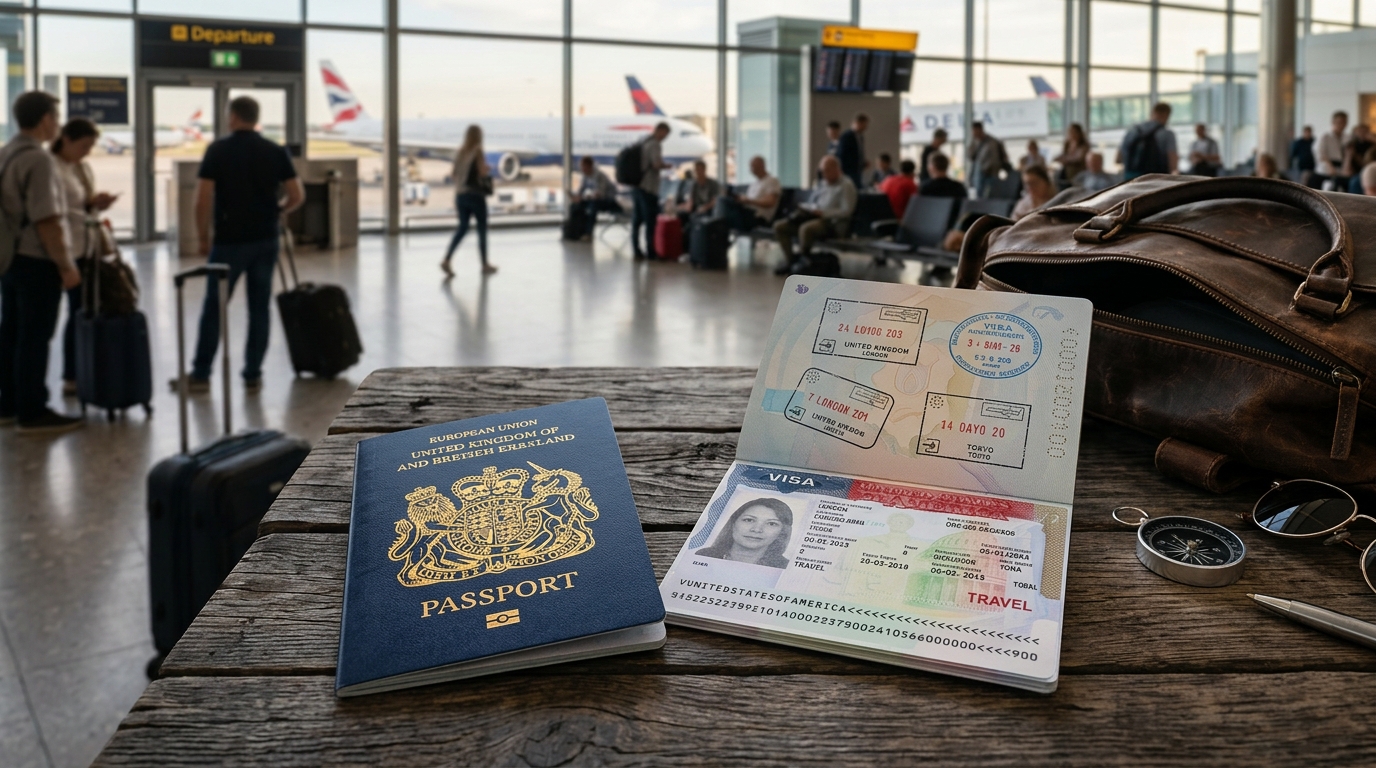
A visa is an endorsement from a foreign government that allows you to enter their country. It’s usually a stamp or sticker in your passport, but some countries issue electronic visas. It states how long you can stay and what you can do there. For example, a U.S. B-2 visa is for tourism, while an F-1 is for students.
Not every trip requires a visa. Many countries let tourists stay for 30, 60, or 90 days without one. But if you plan to work, study, or stay long-term, you’ll likely need a visa. In 2022, the U.S. issued about 6.5 million nonimmigrant visas. That’s a fraction of the 24 million passports issued, showing that most travel doesn’t need a visa.
Types of Visas
Visas come in many categories. Common ones include:
- Tourist visa: for leisure travel, usually short-term.
- Business visa: for meetings, conferences, or negotiations.
- Student visa: for academic study, often requires proof of enrollment.
- Work visa: for employment, often requires a job offer and labor certification.
- Transit visa: for passing through a country en route to another.
Each type has specific requirements. For instance, a U.S. work visa (H-1B) requires a bachelor’s degree and a job offer from a sponsoring employer.
How to Get a Visa
You apply at the embassy or consulate of the country you plan to visit. The process varies. Some countries require an interview, biometrics, and a fee. Others offer e-visas online. For example, India’s e-visa takes 3 to 5 days and costs $25 to $100. Always apply well in advance. Wait times can stretch for weeks or months.
Key Differences Between Passport and Visa
The main difference is purpose. A passport proves your identity and citizenship. A visa grants you permission to enter a specific country. Here’s a quick comparison:
- Issued by: Passport by your home country; visa by the destination country.
- Purpose: Passport for identification; visa for entry permission.
- Validity: Passport typically 5-10 years; visa can be days to years.
- Requirement: Passport always needed for international travel; visa only for certain countries and purposes.
- Format: Passport is a booklet; visa is a stamp, sticker, or electronic record.
In practice, you need a passport to get a visa. The visa is usually placed in your passport. So they work together. But they’re separate documents with different roles.
Do You Need Both?
It depends on where you’re going. If you’re a U.S. citizen traveling to Canada or Mexico for tourism, you only need a passport (or passport card for land travel). No visa required. But if you’re going to China, you’ll need a visa. The same applies to many countries in Africa, Asia, and the Middle East.
Some countries require a visa on arrival. You get it at the airport. Others require an e-visa before you fly. Always check the destination’s embassy website. Don’t rely on outdated info. Rules change frequently. For example, Brazil reinstated visa requirements for U.S. citizens in 2024 after dropping them in 2019.
When You Might Need a Visa
You’ll need a visa if you plan to:
- Stay longer than the visa-free period (e.g., more than 90 days in the Schengen Area).
- Work or study abroad.
- Conduct business activities beyond meetings.
- Live permanently (immigrant visa).
Even if you don’t need a visa for tourism, you might need one for other activities. For instance, U.S. citizens can visit the UK for 6 months without a visa. But if you want to work there, you need a work visa.
When You Don’t Need a Visa
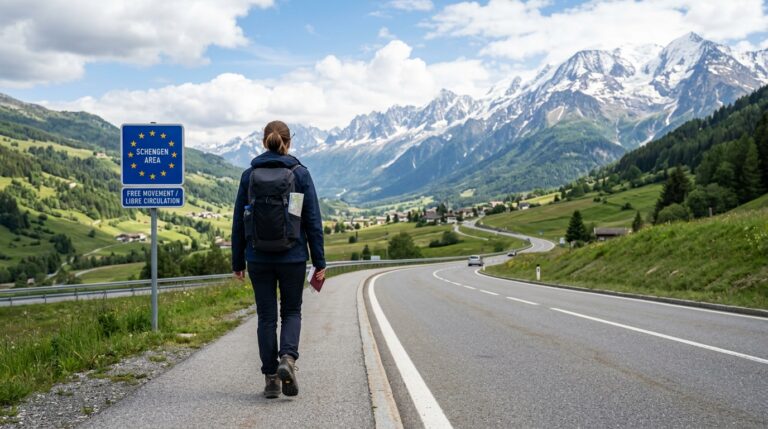
Many countries have visa-free agreements. For example, U.S. citizens can travel to most of Europe for up to 90 days without a visa. Japan allows 90 days visa-free. But you still need a passport. And your passport must be valid for at least 6 months beyond your planned stay in many countries.
Common Misconceptions
People often confuse passports and visas. Some think a passport lets them enter any country. Not true. You need a visa for some destinations. Others think a visa replaces a passport. Also false. You need both for international travel.
Another myth: a visa guarantees entry. It doesn’t. The final decision is made by the immigration officer at the port of entry. They can deny you if you don’t meet entry requirements, even with a valid visa.
Also, a visa doesn’t determine how long you can stay. That’s decided by the immigration officer. They’ll stamp your passport with an admission date and duration. Overstaying can lead to fines or bans.
How to Apply: Step by Step
Here’s a general process for getting both documents:
- Apply for a passport. Do this first. It takes weeks.
- Determine if you need a visa. Check the destination’s embassy website.
- Gather required documents. Usually passport, photo, application form, and fee.
- Submit your visa application. May require an interview.
- Wait for processing. Times vary.
- Receive your visa. Often stamped in your passport.
- Travel. Carry both documents.
In practice, start early. Some visas take months. For example, a U.S. immigrant visa can take years due to backlogs.
Conclusion
A passport and a visa serve distinct roles. Your passport is your identity card for international travel. A visa is permission to enter a specific country. You’ll always need a passport for foreign travel. You’ll only need a visa for certain destinations and purposes. Check requirements well ahead of your trip. That way, you’ll avoid last-minute stress and focus on enjoying your journey.
Q: Can I travel internationally with just a visa and no passport?
No. A visa is typically stamped in your passport. You need a passport to prove your identity and citizenship. Without it, you can’t travel internationally. The visa alone doesn’t grant entry. You must present both documents at the border. Always ensure your passport is valid for at least six months beyond your trip.
Q: How long does it take to get a passport and a visa?
Passport processing in the U.S. takes 8 to 11 weeks for routine service, or 5 to 7 weeks expedited. Visa processing varies widely. Some e-visas take 3 to 5 days. Others require interviews and can take weeks or months. Apply as early as possible to avoid delays.
Q: Do I need a visa if I have a U.S. passport?
It depends on the destination. Many countries allow U.S. citizens visa-free for short stays, like the Schengen Area (90 days) and Japan (90 days). But others, like China, India, and Brazil, require a visa. Always check the embassy website of your destination for current rules.
Q: What happens if my visa expires while I’m abroad?
Overstaying a visa can lead to fines, detention, or a ban from re-entering that country. If you need to stay longer, apply for an extension before your visa expires. Some countries allow extensions, but it’s not guaranteed. Contact the local immigration office for guidance.
Q: Can a visa be denied even if I have a valid passport?
Yes. A passport proves your identity, but a visa application can be denied for reasons like insufficient funds, criminal history, or lack of ties to your home country. The consular officer decides based on your specific circumstances. Always provide complete and honest information.