Air quality alerts often appear as a single warning message, but air pollution does not affect all people equally. The human body’s response to polluted air depends on age, underlying health, immune strength, and exposure duration. While some individuals may tolerate short-term exposure with minimal discomfort, others can experience serious health effects within hours.
Air quality alerts often appear as a single warning message, but air pollution does not affect all people equally. The human body’s response to polluted air depends on age, underlying health, immune strength, and exposure duration. While some individuals may tolerate short-term exposure with minimal discomfort, others can experience serious health effects within hours.
Bad AQI reflects elevated concentrations of pollutants such as PM2.5, ozone, and nitrogen dioxide. These pollutants interfere with normal lung function, reduce oxygen delivery, and trigger inflammation that spreads beyond the respiratory system. Understanding who should be more careful during bad AQI is therefore not just an environmental concern it is a critical health decision.
Understanding AQI Levels and Health Risk Thresholds
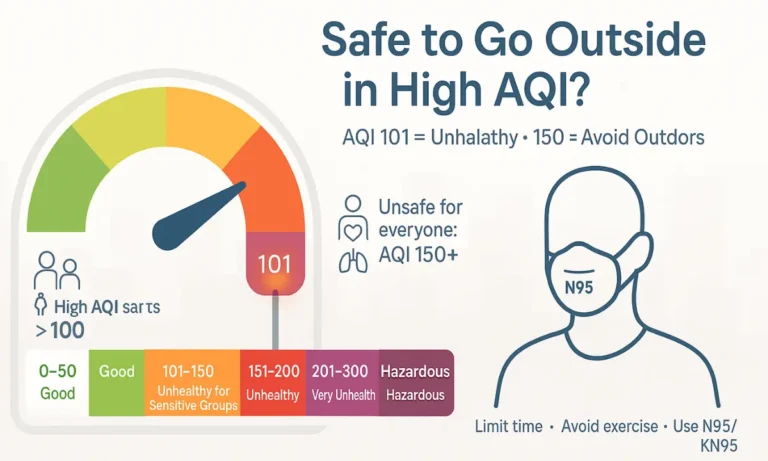
The Air Quality Index (AQI) translates complex pollution measurements into health guidance. While AQI ranges from 0 to 500, health risks do not increase evenly. Above AQI 100, pollutant levels exceed what is considered safe for prolonged exposure. Sensitive groups may experience biological stress even earlier. As AQI rises, the body’s natural defenses such as airway filtration and immune response-become overwhelmed.
Why Bad AQI Is Dangerous at the Biological Level
Bad AQI is harmful because fine particles and reactive gases penetrate deep into the lungs. PM2.5 bypasses nasal filtering, reaches the alveoli, and may enter the bloodstream. Once systemic, these particles trigger inflammation, oxidative stress, and vascular dysfunction. Over time, this accelerates lung aging and cardiovascular disease. These mechanisms explain why pollution affects multiple organs, not just breathing.
Why Children Are Biologically More Vulnerable to Air Pollution
Children breathe more air per kilogram of body weight than adults, increasing pollutant dose. Their lungs, immune systems, and nervous systems are still developing. Damage during this period can have lifelong consequences. Children also spend more time playing outdoors, often during peak pollution hours. These factors make children one of the most vulnerable populations during bad AQI.
Short-Term and Long-Term Health Risks for Children
In the short term, bad AQI can cause coughing, wheezing, chest tightness, and asthma attacks in children. Long-term exposure is linked to reduced lung growth, impaired immune development, and higher lifetime risk of chronic respiratory disease. Studies show pollution exposure in childhood affects adult lung capacity. This makes protecting children during bad AQI a public-health priority.
How Aging Increases Sensitivity to Poor Air Quality
As people age, lung elasticity decreases and cardiovascular reserve weakens. Blood vessels become less adaptable, and the immune system resolves inflammation more slowly. This means pollution-related stress lasts longer and causes greater damage. Older adults also commonly have underlying conditions that amplify risk. Aging therefore significantly increases vulnerability to bad AQI.
Health Consequences for Older Adults During Bad AQI
Bad AQI increases breathlessness, chest pain, and fatigue in elderly individuals. It also raises the risk of heart attacks, strokes, and arrhythmias. Even moderate AQI levels can trigger medical events in this group. Hospital admissions consistently rise among older adults during pollution episodes. Avoidance and indoor protection are essential for safety.
How Polluted Air Triggers Respiratory Exacerbations
Pollutants inflame airway lining, increase mucus production, and narrow bronchial passages. Ozone damages airway epithelial cells, while PM2.5 increases airway hyperreactivity. These effects reduce lung function and oxygen exchange. Respiratory patients may experience rapid symptom escalation. This explains why bad AQI can trigger severe attacks with little warning.
Why Extra Precautions Are Medically Necessary
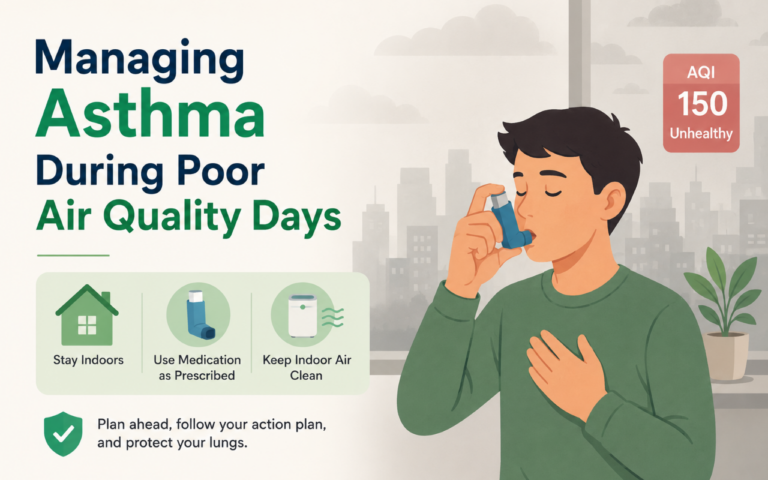
For people with asthma, COPD, or chronic lung disease, pollution exposure can quickly escalate into emergencies. Medication alone cannot fully counteract pollution-induced inflammation. Preventive avoidance during bad AQI is far safer than reactive treatment. Medical guidelines consistently recommend exposure reduction as first-line protection. Extra caution is therefore evidence-based.
The Cardiovascular Impact of Air Pollution
Air pollution causes systemic inflammation that affects blood vessels and heart function. Fine particles increase blood pressure, promote clot formation, and disrupt heart rhythm regulation. These effects occur even at relatively low exposure levels. Pollution stress compounds existing cardiovascular disease. This makes bad AQI especially dangerous for heart patients.
Why Cardiac Patients Face Elevated Risk During Bad AQI
During pollution events, hospital admissions for heart attacks and strokes rise sharply. Individuals with coronary artery disease or heart failure have limited physiological reserve. Bad AQI increases oxygen demand while reducing oxygen delivery efficiency. Minimizing exposure is therefore a preventive medical strategy. For cardiac patients, caution saves lives.
How Air Pollution Affects Pregnancy Physiology
Pregnancy increases oxygen demand and circulatory workload. The placenta serves as a critical exchange interface for oxygen and nutrients. Air pollution reduces oxygen efficiency and increases inflammatory stress. PM2.5 exposure has been shown to affect placental blood flow. This makes pregnancy a high-risk period during bad AQI.
Pregnancy Outcomes Linked to Bad AQI Exposure
Research links poor air quality exposure to low birth weight, premature delivery, and developmental complications. Inflammation and reduced oxygen availability are key mechanisms. These risks increase with repeated exposure. Pregnant individuals should therefore minimize outdoor exposure during bad AQI. Protection benefits both mother and fetus.
Why Breathing Rate and Duration Amplify Pollution Risk
Physical exertion increases breathing depth and frequency, dramatically raising pollutant intake. Outdoor workers and athletes may inhale several times more pollution than sedentary individuals. Longer exposure duration compounds dose. Heat and pollution together further increase cardiovascular stress. This group faces unique occupational and activity-related risks.
Health Risks Unique to Outdoor Workers and Athletes
Beyond respiratory irritation, this group faces higher risk of chronic lung impairment and cardiovascular strain. Repeated exposure during exertion accelerates long-term damage. Symptoms may be subtle initially but accumulate over time. Adjusting schedules and intensity during bad AQI is essential. Exposure management protects long-term performance and health.
Why a Weakened Immune System Increases Pollution Sensitivity
Air pollution triggers inflammatory responses that an impaired immune system struggles to regulate. This increases susceptibility to infections and systemic stress. Immunocompromised individuals may experience prolonged recovery. Pollution can worsen underlying conditions silently. Extra caution is therefore critical during bad AQI.
Protective Measures for Immunocompromised People
Avoid outdoor exposure during poor AQI whenever possible. Maintain clean indoor air with HEPA filtration. Monitor symptoms closely and follow medical guidance. Reducing exposure lowers infection risk and systemic stress. Prevention is the most effective strategy.
Short-Term Effects of Bad AQI in Healthy Individuals
Even healthy adults may experience eye and throat irritation, headaches, fatigue, and reduced exercise tolerance. These symptoms reflect early inflammatory responses. Absence of severe symptoms does not mean absence of harm. Short-term exposure still contributes to cumulative damage. Awareness is important for everyone.
Long-Term Consequences of Repeated Exposure
Repeated exposure to bad AQI gradually damages lung tissue and cardiovascular health. Over time, this increases the risk of chronic disease even in previously healthy individuals. This means everyone eventually becomes part of the at-risk population. Pollution awareness protects long-term health across the lifespan.
Indoor Protection Strategies That Matter Most
Staying indoors during high AQI is effective only if indoor air is clean. HEPA air purifiers significantly reduce PM2.5. Windows should remain closed during pollution events. Indoor pollution sources should be minimized. Proper indoor management is essential for real protection.
Outdoor Protection Strategies When Exposure Is Unavoidable
When going outside cannot be avoided, high-quality masks such as N95 or KN95 reduce particle inhalation. Exposure time should be kept short. Physical exertion should be avoided. Choosing less polluted routes and times further reduces risk. Small adjustments significantly lower dose.
FAQ:
Who should be more careful during bad AQI?
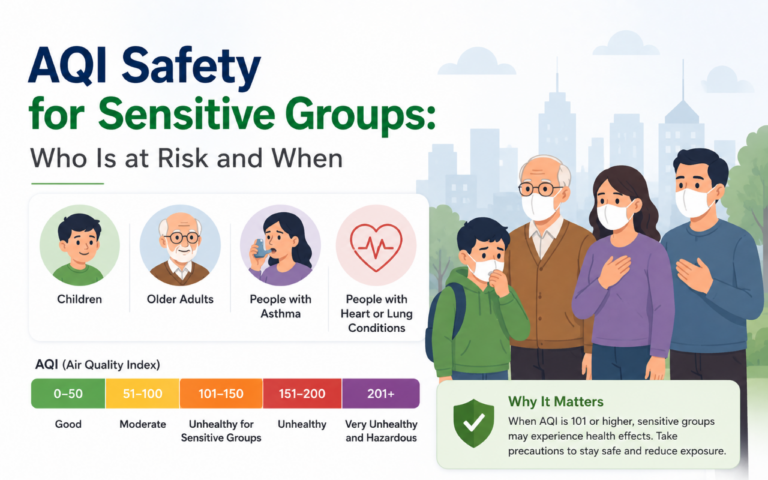
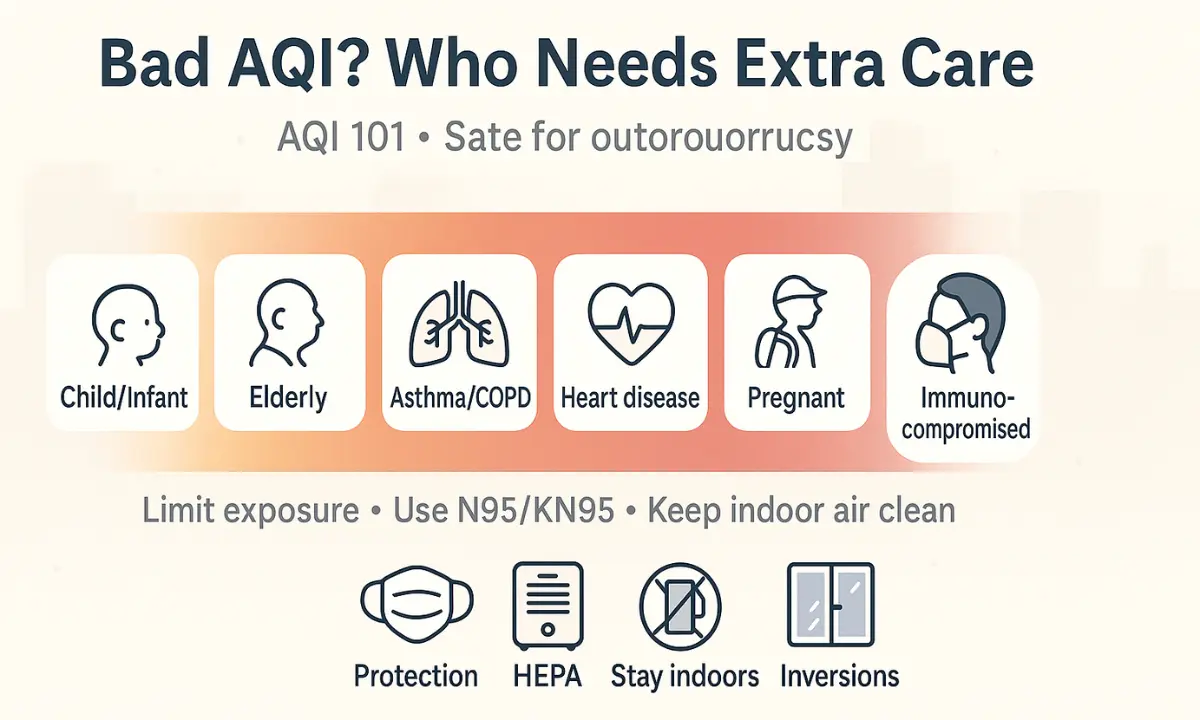
Children, elderly individuals, pregnant women, people with asthma, COPD or heart disease, outdoor workers, and immunocompromised individuals should be especially careful during bad AQI. These groups are biologically more vulnerable to air pollution and face higher health risks even with short exposure.
Why are children more affected by poor air quality?
Children breathe more air per body weight, their lungs and immune systems are still developing, and they are often physically active outdoors. During bad AQI, this leads to higher pollutant intake and increased risk of asthma attacks, reduced lung growth, and long-term respiratory problems.
Is bad AQI dangerous for healthy adults?
Yes. Even healthy adults can experience irritation, fatigue, reduced lung function, and cardiovascular stress during bad AQI. Repeated or prolonged exposure increases the risk of chronic lung and heart disease over time.
At what AQI level should sensitive groups limit outdoor activity?
When AQI rises above 100, children, elderly individuals, pregnant women, and people with heart or lung disease should limit outdoor activities. At higher AQI levels, staying indoors with clean air becomes essential. Yes. Properly fitted N95 or KN95 masks can significantly reduce inhalation of fine particles like PM2.5. Cloth or surgical masks do not provide adequate protection against air pollution.
Do masks help protect against bad AQI?
Understanding who should be more careful during bad AQI allows individuals, families, and caregivers to make informed decisions that prevent serious health outcomes. Air pollution is an unequal threat, and vulnerable populations require proactive protection. Monitoring AQI, managing indoor air, and limiting exposure are practical steps that save lives.
Check AQI daily before outdoor plans
Prioritize protection for high-risk individuals
Improve indoor air quality during pollution episodes
Share this guide with families and caregivers
FAQ:
Who should be more careful during bad AQI?
Children, elderly individuals, pregnant women, people with asthma, COPD or heart disease, outdoor workers, and immunocompromised individuals should be especially careful during bad AQI. These groups are biologically more vulnerable to air pollution and face higher health risks even with short exposure.
Why are children more affected by poor air quality?
Children breathe more air per body weight, their lungs and immune systems are still developing, and they are often physically active outdoors. During bad AQI, this leads to higher pollutant intake and increased risk of asthma attacks, reduced lung growth, and long term respiratory problems.
Is bad AQI dangerous for healthy adults?
Yes. Even healthy adults can experience irritation, fatigue, reduced lung function, and cardiovascular stress during bad AQI. Repeated or prolonged exposure increases the risk of chronic lung and heart disease over time.
At what AQI level should sensitive groups limit outdoor activity?
When AQI rises above 100, children, elderly individuals, pregnant women, and people with heart or lung disease should limit outdoor activities. At higher AQI levels, staying indoors with clean air becomes essential.
Do masks help protect against bad AQI?
Yes. Properly fitted N95 or KN95 masks can significantly reduce inhalation of fine particles like PM2.5. Cloth or surgical masks do not provide adequate protection against air pollution.
This content is for educational purposes only and does not replace professional medical advice. Individuals with respiratory or cardiovascular conditions should consult qualified healthcare professionals regarding air-pollution exposure.