
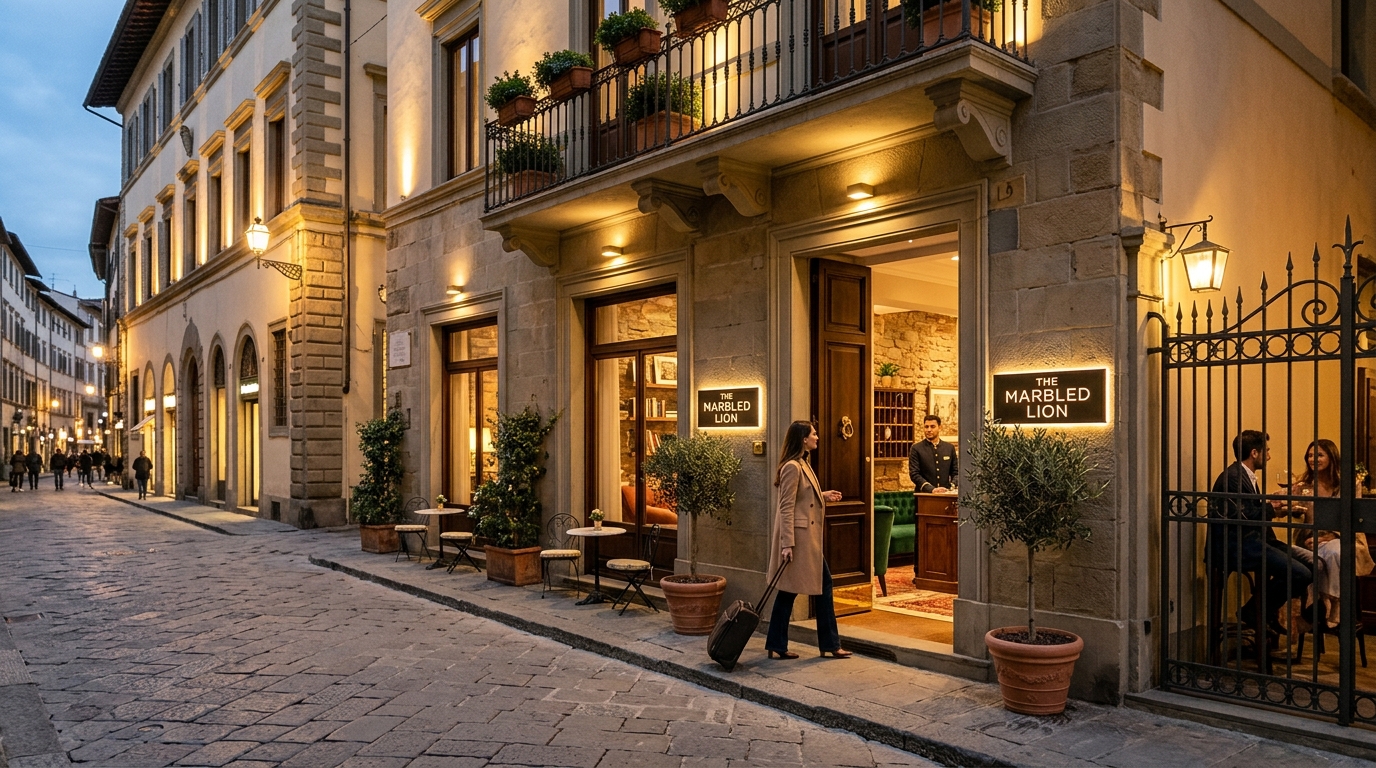
What Is a Boutique Hotel? Definition, Examples, and Why They’re Popular
You’ve probably seen the term ’boutique hotel’ pop up on travel booking sites, but what does it actually mean? A boutique hotel is typically a small, independently owned property with a unique design, often reflecting the local culture. Unlike big chain hotels, boutique hotels focus on personalized service and a distinctive atmosphere. The exact definition can vary, but there are some common threads. Let’s break down what makes a hotel ’boutique’ and why they’ve become so popular.
What Defines a Boutique Hotel?
There’s no official industry standard, but most experts agree on a few key traits. According to the Boutique & Lifestyle Lodging Association (BLLA), a boutique hotel usually has fewer than 100 rooms, though some sources say up to 200. The emphasis is on intimacy and a one-of-a-kind experience. Design is a huge factor: you won’t find generic beige walls here. Instead, expect bold artwork, custom furniture, and a theme that ties into the location. For example, The NoMad in New York City blends Victorian and modern elements, while Hotel Saint Cecilia in Austin, Texas, channels a rock-and-roll vibe. Service is another pillar. Staff often go above and beyond, remembering your name and offering insider tips. Many boutique hotels also have a story, like a converted historic building or a famous former owner. That narrative adds to the appeal.
Boutique Hotels vs. Chain Hotels
The differences go beyond size. Chain hotels like Marriott or Hilton prioritize consistency: you know exactly what you’ll get at any location. Boutique hotels thrive on individuality. Each property is unique, so your experience will differ from one to the next. Chain hotels often have hundreds of rooms, multiple restaurants, and large conference centers. Boutique hotels might have just 20 rooms, a single chef-driven restaurant, and a cozy lobby that feels like a living room. Service also varies. At a chain, you might interact with different staff members each time. At a boutique, you’ll likely see the same faces, which builds a personal connection. Pricing can be similar, but boutique hotels sometimes charge a premium for that exclusivity. However, you might also find hidden gems at lower rates, especially if they’re new or in less touristy areas.
The Rise of Boutique Hotels
The term ’boutique hotel’ was coined in 1984 by Steve Rubell and Ian Schrager when they opened Morgans Hotel in New York City. They wanted to create a hotel that felt like a private club, with stylish rooms and a lively bar scene. It was a hit, and the concept spread. By the 1990s, boutique hotels were popping up in major cities worldwide. Today, they’re a global phenomenon. In fact, a 2023 report by Grand View Research valued the global boutique hotel market at $18.5 billion and projected it to grow at a compound annual growth rate of 5.2% from 2024 to 2030. Travelers increasingly seek experiences over brand names, and boutique hotels deliver that.
Why Travelers Choose Boutique Hotels
There are several reasons why you might pick a boutique hotel over a chain. First, you get a sense of place. Instead of a generic room that could be anywhere, you’re immersed in the local design and culture. Second, the service is often more attentive. With fewer rooms, staff can focus on individual needs. Third, the atmosphere is usually more social. Many boutique hotels have vibrant bars or communal spaces where guests mingle. Fourth, you’re supporting independent businesses, which can be appealing. Fifth, the design is often Instagram-worthy, with unique touches you won’t find elsewhere. In practice, I’ve stayed at boutique hotels where the owner personally recommended a hidden restaurant, which made the trip memorable.
How to Spot a Boutique Hotel
Not every small hotel is a boutique. Here are some signs to look for:
- Unique design: Look for distinctive decor, art, and architecture that reflects the locale.
- Personalized service: Staff who remember your preferences and offer tailored recommendations.
- Small size: Usually under 100 rooms, often much fewer.
- Independent ownership: Not part of a large chain, though some boutique brands have a few properties.
- Local flavor: Amenities and dining that showcase the destination.
- Story: A history or theme that sets it apart.
Keep in mind that some chains have launched their own boutique-style brands, like Marriott’s Autograph Collection or Hilton’s Curio Collection. These can offer a boutique feel with the reliability of a big brand, but purists argue they’re not true boutiques.
Examples of Famous Boutique Hotels
To give you a better idea, here are a few well-known boutique hotels around the world:
- Morgans Hotel, New York City: The original boutique hotel, opened in 1984.
- Hotel Costes, Paris: Known for its opulent decor and trendy bar.
- The Ned, London: A converted bank with a rooftop pool and eclectic design.
- Hotel San José, Austin: A motel turned minimalist oasis on South Congress.
- The Upper House, Hong Kong: A sleek, modern property with panoramic harbor views.
These hotels share a commitment to design and service that sets them apart.
Are Boutique Hotels Right for You?
It depends on your travel style. If you value consistency and loyalty points, a chain might be better. But if you crave a unique experience, personalized attention, and a sense of place, boutique hotels are worth trying. They can be found in cities, beach towns, and even rural areas. Some are luxurious, others are budget-friendly. The key is to read reviews and check photos to ensure the vibe matches your expectations. Also, consider the location: boutique hotels are often in trendy neighborhoods rather than tourist hubs, which can be a plus or a minus depending on your plans.
Conclusion
A boutique hotel is more than just a place to sleep. It’s an experience defined by unique design, intimate scale, and personalized service. Whether you’re a design enthusiast, a culture seeker, or just tired of cookie-cutter rooms, boutique hotels offer a refreshing alternative. Next time you travel, consider booking one. You might discover a new favorite.
Q: What is the difference between a boutique hotel and a regular hotel?
Boutique hotels are typically smaller, independently owned, and have a unique design that reflects the local culture. Regular hotels, especially chain properties, prioritize consistency and may have hundreds of rooms. Boutique hotels focus on personalized service and a distinctive atmosphere, while chain hotels offer predictable amenities and loyalty programs.
Q: How many rooms does a boutique hotel have?
Most boutique hotels have fewer than 100 rooms, though some sources allow up to 200. The key is intimacy; a small room count allows for more personalized service and a cozier atmosphere. However, there’s no strict rule, and some larger properties still consider themselves boutique if they maintain a unique character.
Q: Are boutique hotels more expensive?
Not necessarily. While some luxury boutique hotels charge premium rates, others are competitively priced or even cheaper than chain hotels, especially in less touristy areas. You’re often paying for design and service rather than brand name. It’s wise to compare prices and read reviews to find the best value for your budget.
Q: Can boutique hotels be part of a chain?
Some large hotel chains have launched boutique-style brands, like Marriott’s Autograph Collection or Hilton’s Curio Collection. These properties aim to offer a unique, local feel while still providing the benefits of a loyalty program. However, purists argue that true boutique hotels are independently owned and operated.
Q: What should I look for in a boutique hotel?
Look for unique design, personalized service, a small number of rooms, and a connection to the local area. Check reviews for mentions of attentive staff and distinctive decor. Also, consider the location and whether the hotel’s style matches your preferences. Photos and guest feedback can help you gauge the vibe before booking.